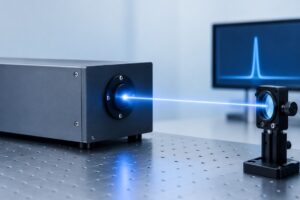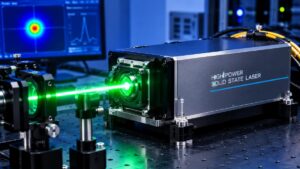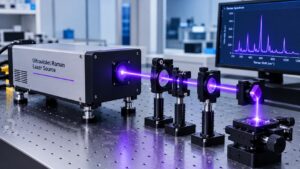
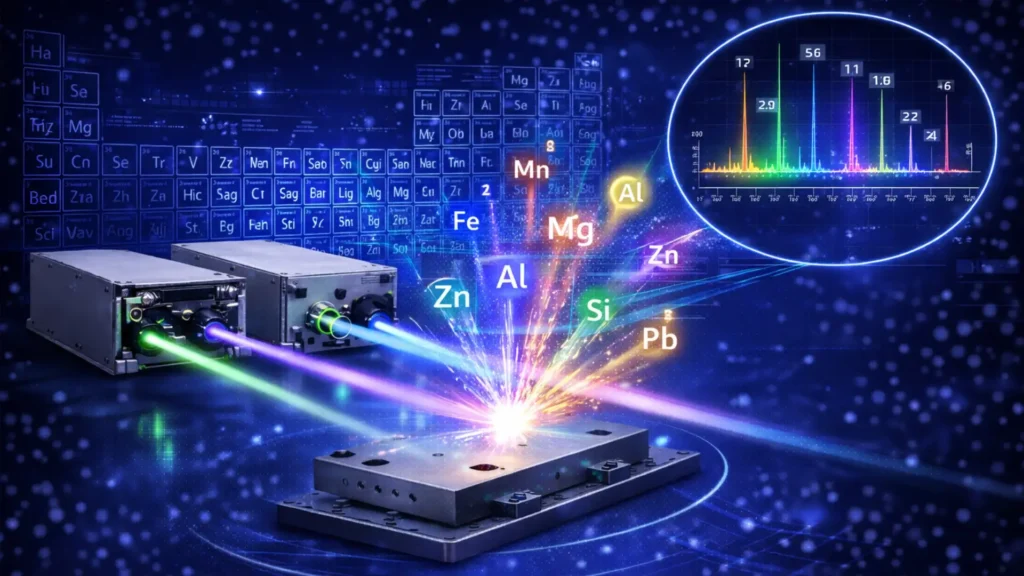
Laser-Induced Breakdown Spectroscopy (LIBS) has become one of the most reliable analytical techniques for rapid elemental analysis across industries such as metallurgy, mining, pharmaceuticals, environmental monitoring, and manufacturing. At the core of every efficient LIBS system is a high-quality Laser for LIBS that ensures precision, stability, and consistent performance. However, maintaining laser efficiency over the long term requires proper care, monitoring, and preventive maintenance.
Modern systems such as a High repetition rate DPSS laser, High repetition DPSS laser, and Dual-pulse DPSS Laser are designed for high-speed and accurate analysis, but even advanced laser systems require regular upkeep to maximize operational lifespan and maintain analytical accuracy.
Why Laser Maintenance Matters in LIBS Systems
A LIBS setup depends heavily on laser stability because even minor fluctuations in pulse energy or beam quality can affect analytical results. Poor maintenance can lead to reduced signal intensity, inconsistent spectra, overheating issues, and costly downtime.
Proper maintenance of a Laser for LIBS helps:
- Maintain stable pulse energy
- Improve analytical accuracy
- Extend equipment lifespan
- Reduce repair and replacement costs
- Ensure uninterrupted industrial operations
Whether you are using a High repetition rate DPSS laser for fast scanning or a Dual-pulse DPSS Laser for enhanced sensitivity, following maintenance best practices is essential for reliable long-term performance.
Keep Optical Components Clean
One of the most important maintenance tasks for any LIBS laser system is cleaning the optical components. Dust, oil, or debris on mirrors, lenses, or protective windows can reduce laser efficiency and distort beam quality.
To maintain optimal performance:
- Use lint-free optical wipes
- Avoid touching optical surfaces directly
- Use approved cleaning solvents
- Inspect optics regularly under proper lighting
- Replace damaged optical coatings immediately
A contaminated optical path can reduce the efficiency of a High repetition DPSS laser and affect plasma generation during LIBS analysis.
Monitor Laser Cooling Systems
Heat management is critical for maintaining long-term laser performance. Most modern Laser for LIBS systems use air or water cooling systems to stabilize operating temperatures.
Improper cooling may result in:
- Thermal instability
- Reduced pulse consistency
- Internal component damage
- Lower laser lifespan
To avoid overheating:
- Check coolant levels regularly
- Inspect cooling fans and filters
- Ensure proper ventilation
- Clean heat exchangers periodically
- Monitor operating temperatures continuously
A well-maintained cooling system is especially important for a High repetition rate DPSS laser, which operates at high pulse frequencies and generates more heat during continuous operation.
Maintain Beam Alignment
Laser beam alignment directly affects the efficiency and precision of LIBS measurements. Over time, vibration, transportation, or environmental changes can slightly shift optical alignment.
Misalignment may cause:
- Reduced laser intensity
- Poor focusing accuracy
- Inconsistent analytical results
- Lower plasma formation efficiency
Routine alignment checks help maintain stable operation of both High repetition DPSS laser and Dual-pulse DPSS Laser systems. Operators should:
- Perform alignment verification periodically
- Use beam profiling tools
- Check focusing optics carefully
- Secure optical mounts firmly
Accurate beam alignment ensures that the laser delivers consistent energy to the sample surface.
Control Environmental Conditions
Environmental factors significantly influence laser stability and reliability. Dust, humidity, vibration, and temperature fluctuations can affect laser performance over time.
For long-term LIBS performance:
- Maintain stable room temperatures
- Reduce airborne contaminants
- Avoid excessive humidity
- Install vibration isolation if needed
- Use clean laboratory or industrial environments
Industrial users operating a Laser for LIBS in harsh environments should consider protective enclosures to prevent contamination and environmental damage.
Perform Regular Calibration and Diagnostics
Routine calibration is essential to ensure accurate elemental analysis. Laser systems should be tested periodically to verify pulse energy, beam quality, and operational consistency.
Important maintenance checks include:
- Pulse energy monitoring
- Beam profile inspection
- Spectral calibration
- Repetition rate verification
- Software diagnostics
A Dual-pulse DPSS Laser requires precise synchronization between pulses, making regular diagnostics particularly important for maintaining analytical sensitivity and signal enhancement.
Replace Consumable Components on Time
Some components naturally degrade with long-term use. Delaying replacements may affect laser performance and increase the risk of system failure.
Common replaceable components include:
- Flash lamps
- Filters
- Protective windows
- Cooling system parts
- Optical coatings
Following manufacturer-recommended replacement schedules helps maintain the reliability of a High repetition DPSS laser and prevents unexpected downtime.
Train Operators Properly
Even the most advanced laser systems can suffer from poor handling or improper operation. Proper operator training is essential for safe and efficient LIBS system management.
Operators should understand:
- Startup and shutdown procedures
- Laser safety protocols
- Cleaning methods
- Alignment procedures
- Warning indicators and error messages
Well-trained personnel can quickly identify performance issues before they become major technical problems.
Invest in Preventive Maintenance
Preventive maintenance is always more cost-effective than emergency repairs. Scheduling periodic inspections and servicing helps identify wear, contamination, or instability early.
A preventive maintenance program for a Laser for LIBS should include:
- Optical inspections
- Cooling system servicing
- Electrical checks
- Alignment verification
- Performance testing
Long-term preventive care ensures stable operation and extends the lifespan of high-performance systems such as a High repetition rate DPSS laser.
Conclusion
Maintaining a Laser for LIBS is essential for achieving accurate, reliable, and long-term analytical performance. Regular cleaning, cooling system maintenance, beam alignment checks, environmental control, and preventive servicing all contribute to stable laser operation.
Advanced systems such as a High repetition DPSS laser and Dual-pulse DPSS Laser deliver exceptional speed and precision for LIBS applications, but their performance depends heavily on proper maintenance practices. Businesses that invest in routine upkeep can improve operational efficiency, reduce downtime, and maximize the lifespan of their laser systems.
For industries relying on high-precision elemental analysis, proper laser maintenance is not just recommended — it is critical for consistent and dependable LIBS performance.
FAQs About: Maintaining a Laser for LIBS