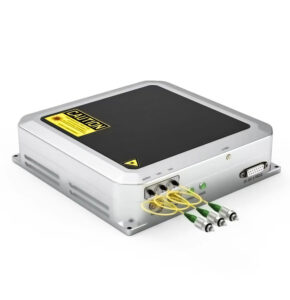
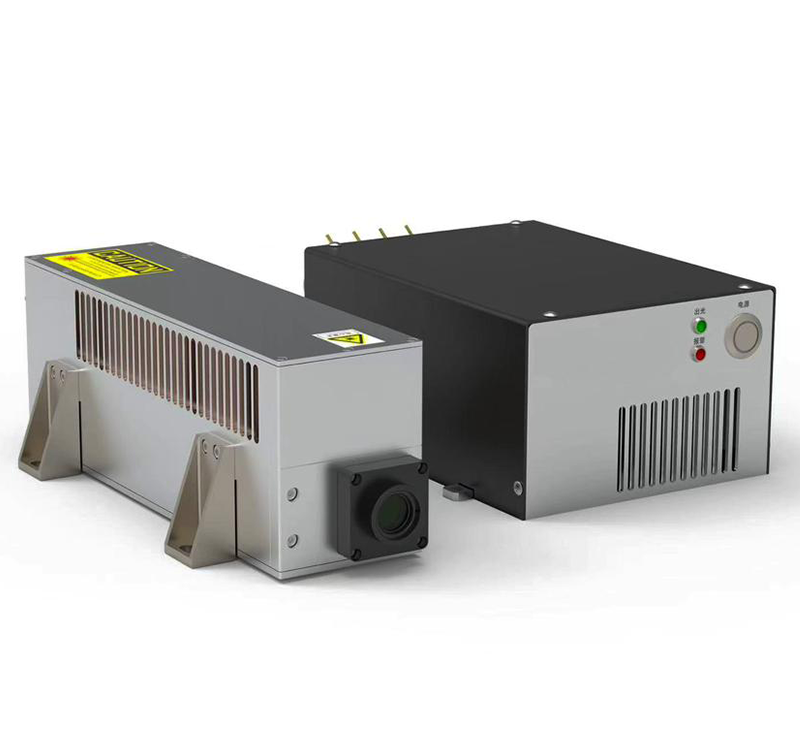
Laser-Induced Breakdown Spectroscopy (LIBS) has become an increasingly valuable analytical technique for material identification, elemental analysis, and industrial quality control. At the core of this technology is the performance of the LIBS Laser Source, which directly influences plasma generation, detection sensitivity, and measurement precision. For researchers, manufacturers, and industrial users, selecting the right laser source is critical for achieving reliable LIBS results.
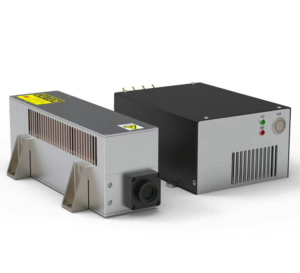
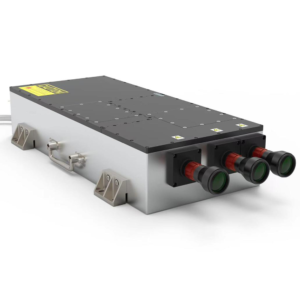
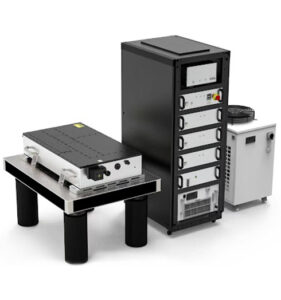
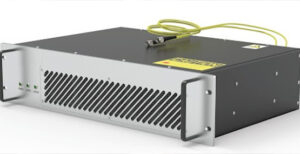
Solid Laser’s SMSL Series is specifically designed for demanding LIBS applications, offering compact, diode-pumped, high-energy pulsed laser solutions with short pulse durations, stable output, and advanced precision. Their system architecture focuses on delivering strong pulse energy with sub-nanosecond to short-pulse capabilities, making it particularly suitable for spectroscopy, remote sensing, and scientific instrumentation.
Why LIBS Requires High-Energy Pulsed Lasers
LIBS works by focusing intense laser energy onto a material’s surface, creating plasma that emits spectral signatures used for elemental analysis. To generate consistent plasma, the laser source must deliver sufficient pulse energy with precise timing.
A reliable LIBS Laser Source should provide:
High peak power
Short pulse duration
Excellent beam quality
Stable pulse-to-pulse energy
Compact system integration
Without adequate pulse energy or timing control, plasma formation may become inconsistent, reducing analytical accuracy.
The Role of Diode-Pumped High Energy Lasers
Modern Diode-Pumped High Energy Lasers offer several advantages over traditional flashlamp systems. Diode pumping improves efficiency, reduces thermal stress, and supports more compact, maintenance-friendly designs.
Key benefits include:
Higher electrical efficiency
Better thermal management
Longer operational lifespan
Reduced maintenance
More stable pulse energy
Its SMSL Series uses diode-pumped solid-state architecture to improve performance while maintaining compact integration for scientific and industrial systems. This design makes it well-suited for LIBS platforms that require both portability and power.
Why Pulse Duration Matters
In LIBS, pulse width can significantly affect ablation efficiency and plasma quality. A Sub-nanosecond pulsed laser can improve precision by delivering energy faster than thermal diffusion, reducing collateral heat effects while increasing ablation control.
Advantages of sub-nanosecond pulses:
Cleaner ablation
Reduced thermal damage
Better depth control
Improved signal consistency
Enhanced microanalysis capability
These characteristics are especially valuable in high-precision industrial analysis where sample integrity matters.
Short-Pulse DPSS Laser Performance
A Short-pulse DPSS laser combines the benefits of diode-pumped efficiency with rapid pulse delivery. DPSS (Diode-Pumped Solid-State) systems are often favored for LIBS because they offer stable beam quality and precise pulse shaping.
This matters for applications such as:
Alloy verification
Mining analysis
Environmental monitoring
Semiconductor inspection
Defense and remote sensing
The SMSL Series emphasizes high pulse energy with compact engineering, which supports integration into advanced spectroscopy systems requiring dependable laser performance.
Key Performance Factors to Evaluate
When selecting a LIBS Laser Source, users should assess more than just pulse energy. Important technical considerations include:
Pulse Energy:
Higher pulse energy improves plasma generation, especially for harder materials.
Repetition Rate:
Affects throughput and analytical speed.
Beam Quality:
Supports consistent focus and cleaner sample interaction.
Wavelength:
Different wavelengths may influence absorption and plasma characteristics.
Thermal Stability:
Essential for continuous industrial or laboratory operation.
Solid Laser’s SMSL Series highlights multiple wavelength options, stable pulse control, and industrial-grade design for advanced applications.
Applications Beyond Traditional LIBS
While LIBS is a primary use case, high-energy pulsed lasers are also valuable for:
LIDAR
Laser ignition
Scientific diagnostics
Precision machining
Medical instrumentation
This versatility makes choosing a scalable laser platform particularly important for organizations planning future system expansion.
Compact Design and System Integration
Modern industries increasingly need compact analytical tools. Large, inefficient lasers can complicate deployment, especially in mobile or embedded systems.
Diode-pumped platforms like ours SMSL Series support:
Smaller footprint
Easier integration
Lower cooling requirements
Better portability
More reliable field performance
These factors are critical for on-site material analysis or portable spectroscopy systems.
Why Reliability Is Essential
LIBS applications often depend on repeatable measurements, and inconsistent laser performance can compromise analytical credibility. Stable pulse energy, durable construction, and reduced maintenance requirements all contribute to stronger operational confidence.
For industrial and scientific users, reliability means:
Consistent spectroscopy data
Lower downtime
Improved calibration stability
Reduced operating costs
Final Word
Choosing the right LIBS Laser Source is fundamental to achieving accurate, efficient, and repeatable elemental analysis. From Diode-Pumped High Energy Lasers to advanced Sub-nanosecond pulsed laser and Short-pulse DPSS laser technologies, modern laser systems are transforming what LIBS can accomplish across research, manufacturing, and industrial environments. Solid Laser’s SMSL Series demonstrates how compact design, pulse precision, and high-energy performance can support demanding analytical applications. For organizations seeking better spectroscopy outcomes, understanding laser architecture is the first step toward smarter system selection.
FAQs
It is the laser system used in Laser-Induced Breakdown Spectroscopy to generate plasma for elemental analysis.
They offer better efficiency, thermal control, reliability, and compact design compared to older technologies.
It improves ablation precision, reduces thermal damage, and enhances analytical consistency.
It provides stable, precise pulse energy with strong beam quality for accurate analysis.
LIBS is used in manufacturing, mining, environmental science, defense, and materials research.