There’s a familiar frustration in optics labs and industrial floors alike. You need rock-solid beam quality. You need wavelength stability you don’t have to babysit. And you definitely don’t want another bulky system eating up valuable space while demanding constant alignment.
This is exactly where Compact DPSS Lasers change the conversation—and where Solid Laser has quietly earned trust from engineers, researchers, and system integrators who care less about hype and more about results.
This article isn’t about listing specifications for the sake of it. It’s about understanding why compact DPSS technology matters, where it truly performs, and how Solid Laser turns a complex laser architecture into a dependable, everyday tool.
The Real Problem: Precision Often Comes with Trade-Offs
Diode-pumped solid-state lasers are known for their excellent beam quality and wavelength stability. But traditionally, that performance came at a cost:
- Large optical footprints.
- Sensitive alignment requirements.
- Thermal drift that shows up when you least expect it.
If you’ve ever had to redesign a setup just to fit a laser—or pause experiments because output stability slipped—you already know the pain.
Compact DPSS Lasers exist to remove those compromises without sacrificing optical performance.
What Makes Compact DPSS Lasers Different?
At their core, DPSS lasers use diode pumping to excite a solid-state gain medium, delivering efficient, stable output at precise wavelengths. What makes modern compact designs different is how intelligently everything is packaged.
Solid Laser focuses on:
- Monolithic or semi-monolithic designs that reduce alignment sensitivity
- Thermal management that maintains output stability over long runs
- Compact mechanical footprints that integrate easily into existing systems
The result is a laser that behaves predictably—even when your environment isn’t perfect.
A Practical Shift You Can Feel in Daily Work
One engineer described switching to Solid Laser’s compact DPSS system as “removing a constant low-level anxiety.”
No more checking alignment before every run.
No more compensating for slow thermal drift.
No more creative mounting solutions just to make things fit.
That’s the kind of improvement that doesn’t show up immediately in a datasheet—but absolutely shows up in productivity.
Using Compact DPSS Lasers from Solid Laser often feels less like operating a delicate optical instrument and more like using a reliable component that simply does its job.
Where Compact DPSS Lasers Shine
Precision Instrumentation
From spectroscopy to metrology, beam quality and wavelength stability matter more than raw power. Solid Laser systems deliver clean, consistent output without constant recalibration.
Industrial & OEM Integration
Space constraints are real. Compact DPSS Lasers make it easier to embed high-performance light sources into machines, scanners, and automated platforms.
Scientific Research
When experiments run for hours—or days—output stability becomes non-negotiable. Solid Laser’s designs are built for exactly that kind of endurance.
Medical & Biophotonics Applications
Clean beam profiles and stable wavelengths reduce variability, which is critical in sensitive optical systems used for imaging or diagnostics.
Why Solid Laser’s Approach Feels Different
What stands out about Solid Laser isn’t just the technology—it’s the mindset behind it. Their compact DPSS solutions feel designed by people who’ve actually worked with lasers day after day.
You notice it in details like:
- Logical control interfaces.
- Robust housings that tolerate real-world conditions.
That experience-driven design philosophy is why Solid Laser has become a trusted name for Compact DPSS Lasers across research and industrial sectors.
Compact Doesn’t Mean Compromised
A common misconception is that smaller lasers must give something up—power, stability, or lifetime. In practice, the opposite is often true.
By shortening optical paths and improving thermal control, compact designs can actually enhance stability and reduce failure points. Solid Laser leans into this advantage rather than treating compactness as an afterthought.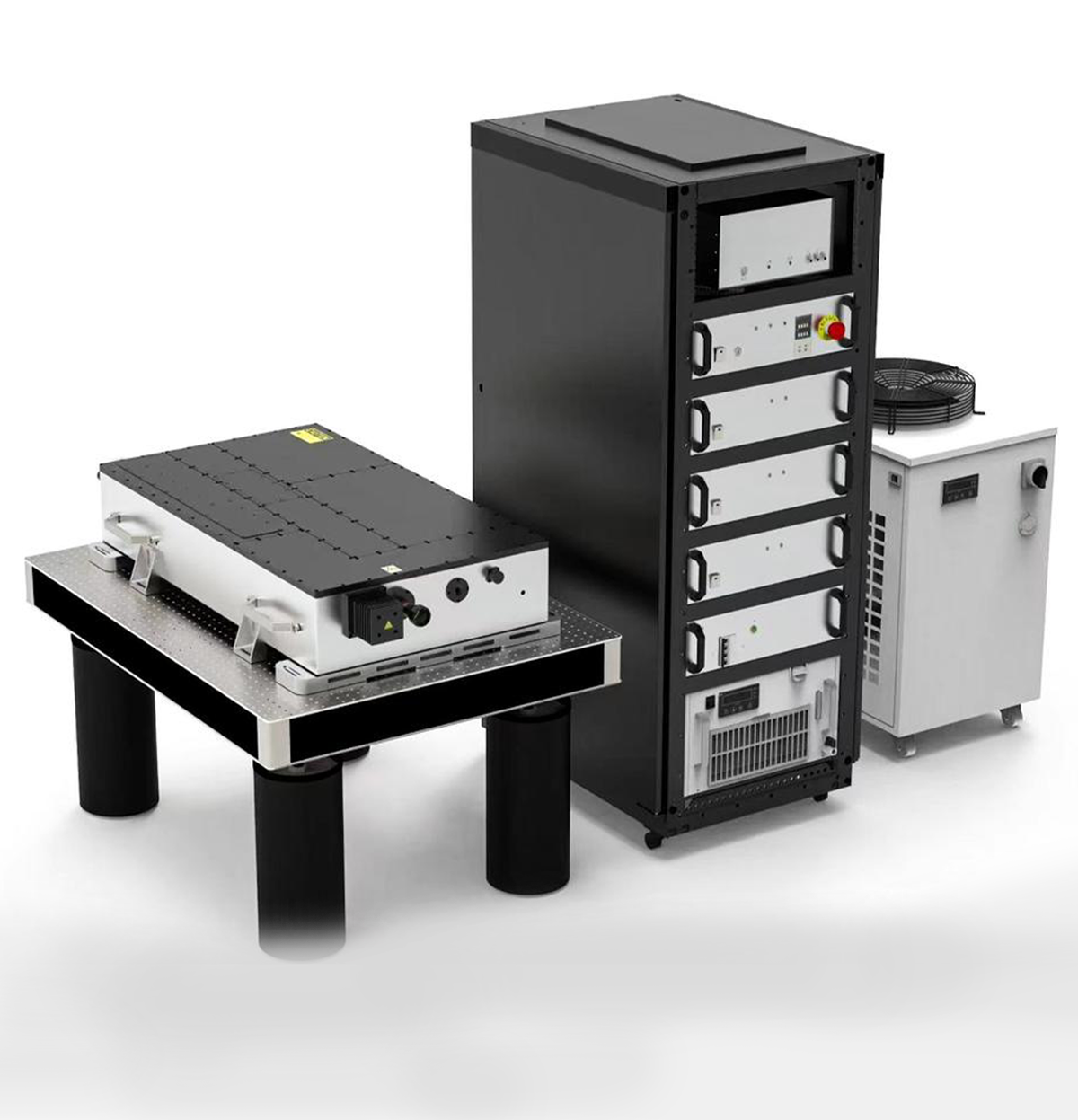
This is where Compact DPSS Lasers stop being “mini versions” of traditional systems and start becoming better tools altogether.
Long-Term Value: What Happens After Installation
The real test of any laser system isn’t day one—it’s month twelve.
Users of Solid Laser products often highlight:
- Lower maintenance demands
- Consistent performance without frequent intervention
- Reduced downtime due to stable optical alignment
Over time, those factors quietly add up. Less troubleshooting. Fewer interruptions. More focus on actual work.
Final Thoughts
Laser technology doesn’t need to be complicated to be powerful. Sometimes the most meaningful innovation is simply removing friction—space issues, stability concerns, constant adjustments—and letting people focus on what they’re actually trying to achieve.
That’s what Compact DPSS Lasers from Solid Laser do best. They bring precision, reliability, and thoughtful engineering into a form factor that fits the way modern labs and industries really work.